
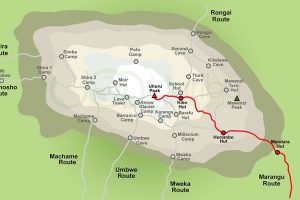
6 Days Kilimanjaro Marangu Route
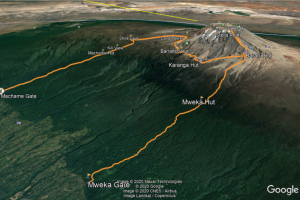
6 Days Kilimanjaro Machame Route
7 Days Kilimanjaro Machame Route
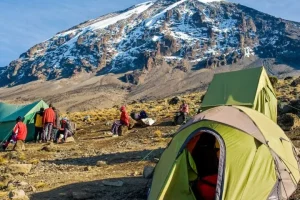
8 Days Kilimanjaro Lemosho Route
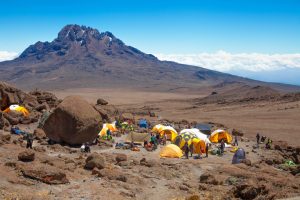
7 Kilimanjaro Rongai route
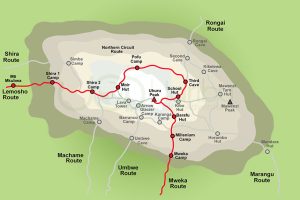
8 days Kilimanjaro Northern Circuit Route
Mount Kilimanjaro, the tallest mountain in Africa at 5,895 meters (19,341 feet), is one of the most iconic trekking destinations in the world. Known as the “Roof of Africa,” Kilimanjaro offers an unforgettable adventure through diverse landscapes, from tropical rainforests to alpine deserts and glaciers. Unlike other high-altitude peaks, no technical climbing skills are required, making it an accessible yet challenging trek for adventurers of all levels.
The trek to Uhuru Peak, Kilimanjaro’s summit, takes between 5 to 9 days, depending on the route chosen. Trekkers experience a gradual ascent, which helps with acclimatization, and breathtaking scenery at every stage. The final push to the summit begins at midnight, rewarding climbers with a stunning sunrise over the vast African landscape.
Reach Africa’s Highest Point: Stand at the legendary Uhuru Peak at 5,895m.
Diverse Ecosystems: Hike through lush rainforests, moorlands, alpine deserts, and glaciers.
Stunning Summit Sunrise: Witness breathtaking views over the clouds from the Roof of Africa.
Non-Technical Climb: No mountaineering experience is needed, making it achievable for determined trekkers.
Multiple Routes: Choose from scenic and challenging routes like Marangu, Machame, Lemosho, and Rongai.
| Route | Duration | Difficulty | Scenery & Acclimatization |
|---|---|---|---|
| Marangu | 5-6 Days | Moderate | Hut accommodations, gradual ascent |
| Machame | 6-7 Days | Challenging | Steep climbs, scenic views, best success rate |
| Lemosho | 7-8 Days | Moderate | Remote, scenic, great for acclimatization |
| Rongai | 6-7 Days | Moderate | Less crowded, gradual ascent |
| Northern Circuit | 8-9 Days | Easiest (best acclimatization) | Longest but highest success rate |
Recommended for trekkers with good fitness and mental endurance.
No technical skills required, but altitude sickness is a challenge—choosing a longer route helps acclimatization.
Dry seasons (Best conditions): January–March & June–October.
Rainy seasons (Fewer crowds): April–May & November–December (more difficult due to slippery trails).
Warm layers (temperatures drop below freezing at the summit)
Sturdy, waterproof trekking boots
Sleeping bag & thermal gear
Trekking poles for stability
High-energy snacks and hydration packs
Headlamp for the summit night ascent
Are you ready to conquer Africa’s highest peak? Whether you’re a first-time trekker or an experienced climber, we’ll help you plan the perfect Kilimanjaro expedition.
From exploring the world-famous Serengeti and witnessing the Great Migration to venturing into the Ngorongoro Crater and discovering hidden gems like Tarangire and Lake Manyara.
+255 754 997 154
info@ufanasafaris.co.tz
Arusha, Tanzania
Copyright © 2026 All Right Reserved UFANA SAFARIS
WhatsApp us